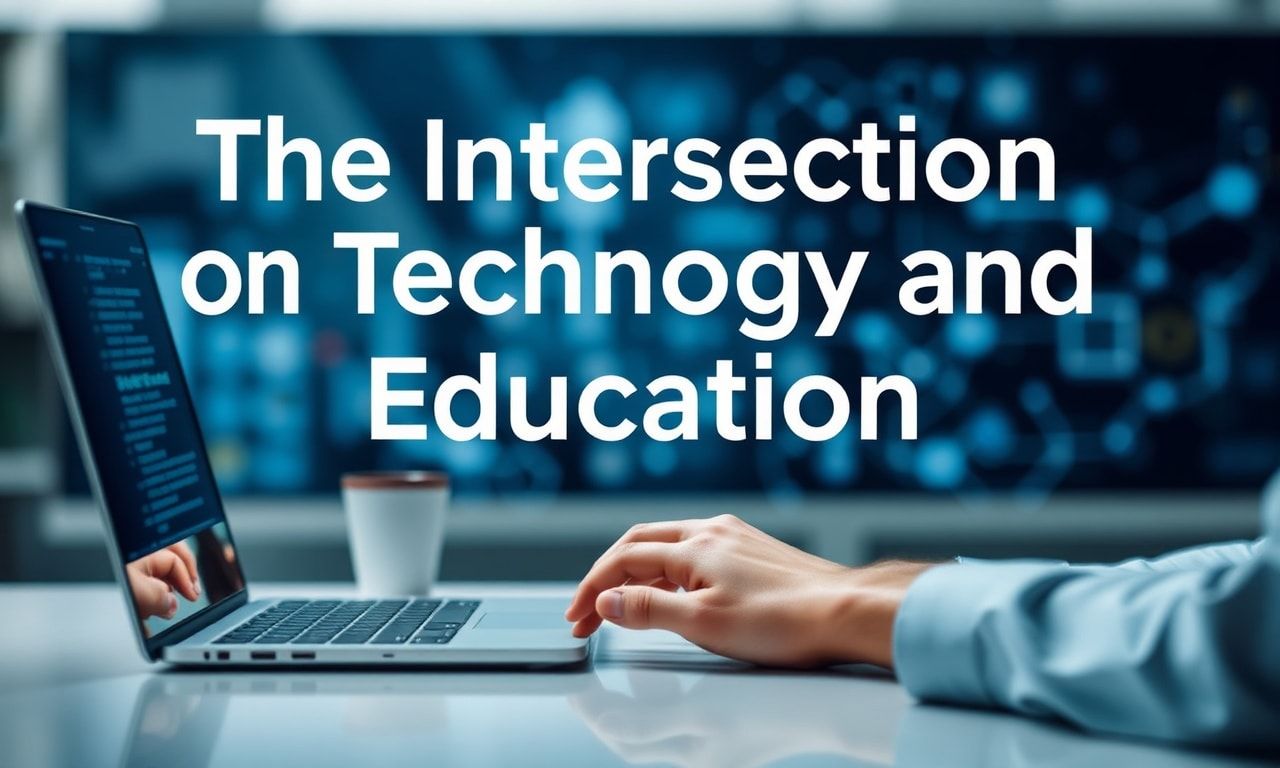
The Digital Classroom Revolution
The landscape of education is undergoing a profound transformation, driven by rapid advancements in technology. From artificial intelligence to virtual reality, innovative tools are reshaping how students learn and teachers instruct. This digital revolution is not just about integrating gadgets into the classroom; it’s about creating a more interactive, personalized, and accessible learning environment. As we delve into the various technological innovations, it’s clear that the future of education is bright and full of possibilities.
Artificial Intelligence in Education
Artificial Intelligence (AI) is at the forefront of this educational revolution. AI-powered tools are being used to personalize learning experiences, automate administrative tasks, and even provide one-on-one tutoring. For instance, AI algorithms can analyze a student’s performance and adapt the curriculum to suit their individual needs. This level of customization ensures that each student receives the attention and resources they need to thrive. Additionally, AI can help teachers by grading assignments, identifying areas where students struggle, and suggesting improvements. The integration of AI in education is not just a trend; it’s a necessity for keeping up with the demands of a rapidly evolving world.
The Role of Virtual and Augmented Reality
Virtual Reality (VR) and Augmented Reality (AR) are also playing significant roles in modern education. These technologies transport students to immersive environments where they can explore historical events, conduct virtual science experiments, and even practice complex medical procedures. For example, medical students can use VR to simulate surgeries, gaining valuable experience without the risks associated with real-life practice. Similarly, history students can take virtual field trips to ancient civilizations, making learning more engaging and memorable. The potential applications of VR and AR in education are vast, and their impact on student engagement and retention is undeniable.
Cybersecurity in Educational Institutions
As educational institutions increasingly rely on digital tools, the need for robust cybersecurity measures becomes paramount. Schools and universities are prime targets for cyberattacks, which can compromise sensitive student data and disrupt learning. To mitigate these risks, educational institutions must invest in advanced cybersecurity solutions. This includes implementing firewalls, encryption, and multi-factor authentication to protect against unauthorized access. Additionally, educating students and staff about cybersecurity best practices is crucial. By fostering a culture of cybersecurity awareness, institutions can create a safer digital learning environment for everyone. For more insights on the intersection of technology and education, you can explore resources like Sheffield school news education.
The Impact of EdTech on Teaching Methods
Educational Technology, or EdTech, is revolutionizing teaching methods by providing educators with powerful tools to enhance their instruction. Interactive whiteboards, digital textbooks, and online learning platforms are just a few examples of how technology is changing the way teachers deliver lessons. These tools enable educators to create dynamic, multimedia-rich lessons that cater to different learning styles. Moreover, EdTech allows for real-time feedback and collaboration, making it easier for teachers to track student progress and adjust their teaching strategies accordingly. The integration of EdTech is not only improving the quality of education but also making it more accessible to students around the world.
The Future of Technology in Education
The future of technology in education is filled with exciting possibilities. Emerging technologies like blockchain, Internet of Things (IoT), and quantum computing have the potential to further transform the educational landscape. For instance, blockchain can be used to create secure and verifiable digital credentials, ensuring the authenticity of academic records. IoT devices can enhance the learning environment by providing real-time data and automation. Quantum computing, although still in its early stages, could revolutionize data analysis and problem-solving in education. As these technologies continue to evolve, their impact on education will only grow, paving the way for a more innovative and inclusive learning experience.