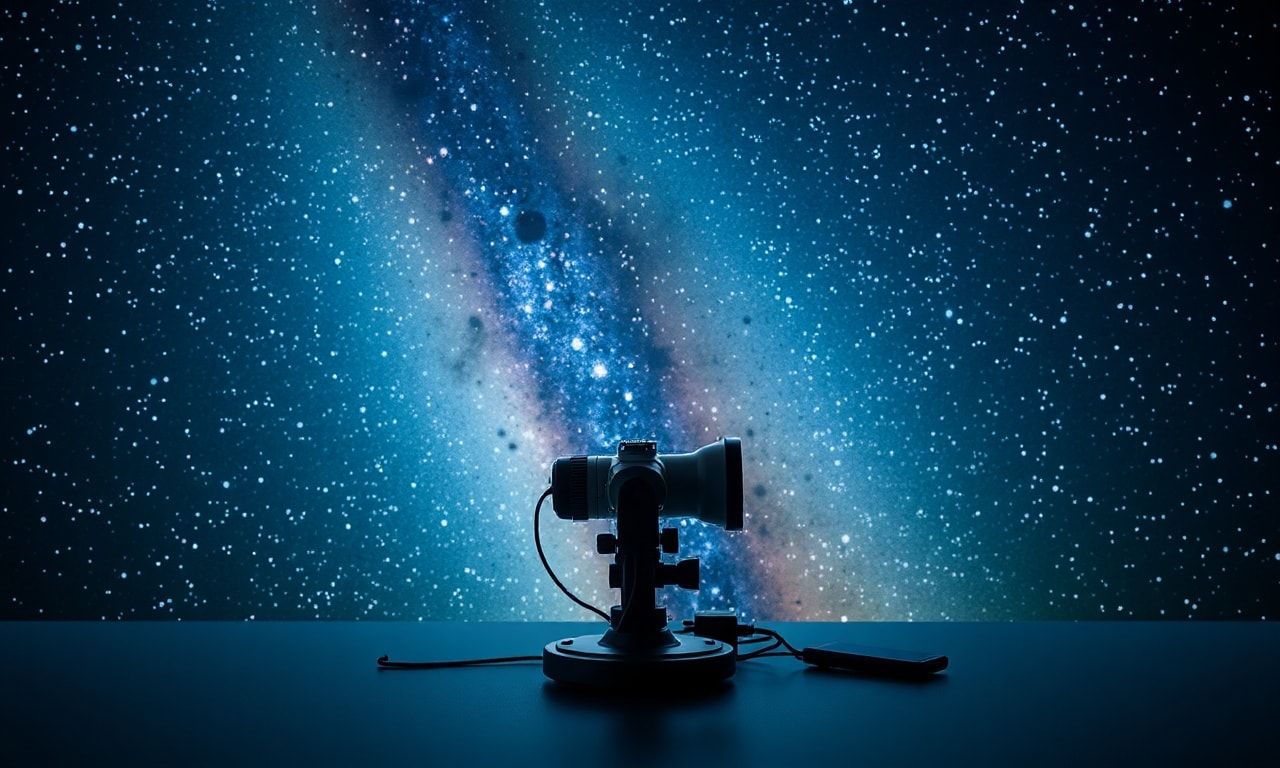
The Role of Technology in Astronomy
Astronomy, one of the oldest sciences, has seen a profound transformation with the advent of modern technology. From powerful telescopes to advanced computational models, technology has revolutionized our understanding of the cosmos. This article explores how cutting-edge innovations in technology are propelling astronomy into new frontiers, making it possible to observe celestial events with unprecedented clarity and precision.
Advanced Telescopes and Imaging Systems
The development of advanced telescopes and imaging systems has been a game-changer in the field of astronomy. Modern telescopes, such as the James Webb Space Telescope (JWST), are equipped with state-of-the-art sensors and optics that allow astronomers to capture high-resolution images of distant galaxies, nebulae, and other celestial phenomena. These telescopes are not only more powerful but also more versatile, capable of observing a wide range of wavelengths, from visible light to infrared and ultraviolet.
Additionally, adaptive optics technology has significantly improved the quality of images captured by ground-based telescopes. This technology compensates for the distortions caused by Earth’s atmosphere, resulting in sharper and more accurate images. The combination of these advancements has enabled astronomers to study the universe in greater detail than ever before.
Computational Modeling and Simulation
Computational modeling and simulation have become indispensable tools in modern astronomy. These technologies allow scientists to create detailed models of celestial events and phenomena, providing insights that would be impossible to obtain through observation alone. For example, simulations can help astronomers understand the dynamics of galaxy formation, the behavior of black holes, and the evolution of stars.
Advanced algorithms and high-performance computing (HPC) systems enable the processing of vast amounts of data collected by telescopes and other observational instruments. This data-driven approach allows astronomers to identify patterns, make predictions, and test hypotheses with a level of accuracy that was previously unattainable. The integration of artificial intelligence (AI) and machine learning (ML) further enhances the capabilities of computational models, making it possible to analyze complex datasets and uncover hidden relationships within the cosmos.
The Impact of AI and Machine Learning
Artificial intelligence and machine learning are playing an increasingly important role in astronomy. These technologies are being used to analyze large datasets, identify celestial objects, and even predict future astronomical events. For instance, AI algorithms can be trained to recognize patterns in the data collected by telescopes, helping astronomers to discover new exoplanets, supernovae, and other celestial phenomena.
Machine learning is also being used to improve the efficiency of astronomical observations. By analyzing data from previous observations, ML algorithms can predict the most promising regions of the sky to observe, optimizing the use of telescope time and resources. This not only enhances the productivity of astronomical research but also reduces the costs associated with observational campaigns.
For the latest news updates today summary on how AI and ML are transforming astronomy, visit latest news updates today summary.
Cybersecurity in Astronomical Research
As astronomical research becomes increasingly reliant on digital technologies, the importance of cybersecurity cannot be overstated. The vast amounts of data collected by telescopes and other observational instruments are valuable not only for scientific research but also for potential malicious actors. Ensuring the security of this data is crucial for maintaining the integrity of astronomical research.
Cybersecurity measures such as encryption, secure data storage, and access control are essential for protecting astronomical data from unauthorized access and cyber threats. Additionally, the use of blockchain technology is being explored as a means of ensuring the authenticity and integrity of astronomical data. By creating an immutable record of observations and analyses, blockchain can help to prevent data tampering and ensure the reliability of scientific findings.
The Future of Technology in Astronomy
The future of technology in astronomy is bright, with numerous innovations on the horizon. Quantum computing, for example, has the potential to revolutionize the way astronomers process and analyze data. Quantum computers can perform complex calculations at speeds that are currently unimaginable, enabling scientists to solve problems that are beyond the reach of classical computers.
Another promising area of development is the use of autonomous observatories. These facilities, equipped with advanced sensors and AI-driven control systems, can operate independently, making observations and collecting data without the need for human intervention. This not only increases the efficiency of astronomical research but also makes it possible to study remote and inaccessible regions of the universe.
In conclusion, the intersection of technology and astronomy is a dynamic and rapidly evolving field. As new innovations continue to emerge, our understanding of the cosmos will deepen, and our ability to explore the universe will expand. By leveraging the power of advanced technologies, astronomers are poised to make groundbreaking discoveries that will shape our understanding of the cosmos for generations to come.
In the ever-evolving landscape of tech and cybersecurity, understanding the role of security certificates in education is crucial; delve into security certifications importance in education to learn more.
As tech enthusiasts gear up for the celestial event, discover how Berlin is preparing for the rare solar eclipse with innovative tech solutions in our latest feature, Berlin’s eclipse tech preparations.
Delve into the fascinating world of tech disruptions caused by celestial phenomena with our latest piece, solar eclipses and technology, exploring the intricate impacts on modern tech infrastructure.