The Rise of Artificial Intelligence in Healthcare
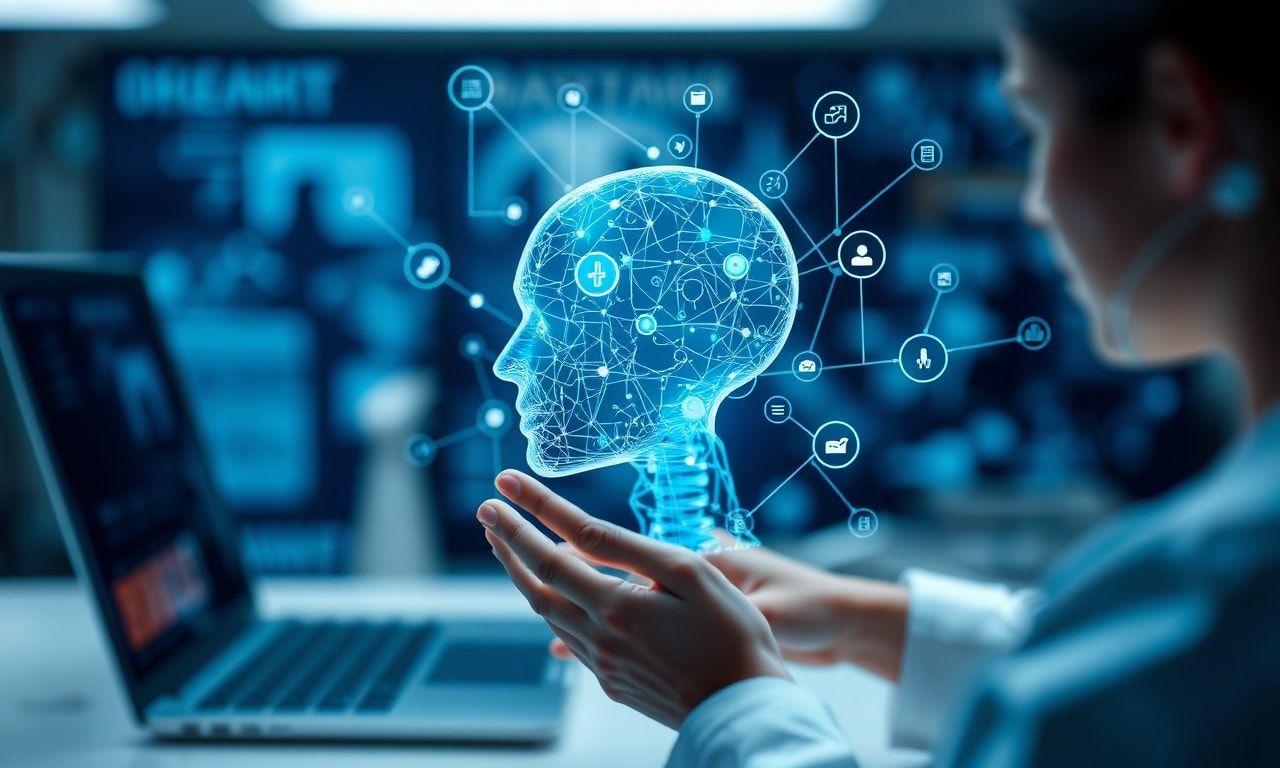
Artificial Intelligence (AI) has emerged as a transformative force across various industries, and healthcare is no exception. The integration of AI technologies into healthcare systems is revolutionizing patient care, diagnostics, and treatment plans. From predictive analytics to robotic surgery, AI is enhancing efficiency and accuracy in healthcare delivery. This article explores the multifaceted impact of AI on the healthcare sector, highlighting key innovations and their implications.
AI-Powered Diagnostics and Imaging
One of the most significant advancements in AI-driven healthcare is the improvement in diagnostic accuracy. AI algorithms can analyze medical images, such as X-rays, MRIs, and CT scans, with remarkable precision. These systems can detect anomalies that might be missed by the human eye, leading to earlier and more accurate diagnoses. For instance, AI models trained on vast datasets can identify patterns indicative of diseases like cancer, cardiovascular conditions, and neurological disorders. This not only speeds up the diagnostic process but also reduces the likelihood of human error.
Enhancing Radiology and Pathology
In radiology, AI tools are being used to assist radiologists in interpreting images. These tools can highlight areas of concern, allowing radiologists to focus on critical regions and make more informed decisions. Similarly, in pathology, AI algorithms can analyze tissue samples and identify cancerous cells with high accuracy. This integration of AI into diagnostic processes is not only improving patient outcomes but also alleviating the workload on healthcare professionals.
The Role of AI in Personalized Medicine
Personalized medicine, also known as precision medicine, tailors medical treatment to the individual characteristics of each patient. AI plays a crucial role in this approach by analyzing genetic information, lifestyle factors, and medical history to create customized treatment plans. AI algorithms can predict how a patient will respond to a particular treatment, enabling doctors to choose the most effective therapies. This personalized approach not only improves treatment efficacy but also minimizes adverse effects, leading to better patient outcomes.
AI in Drug Discovery and Development
AI is also revolutionizing the drug discovery and development process. Traditional drug discovery is a time-consuming and expensive endeavor, often taking years and costing millions of dollars. AI can accelerate this process by analyzing vast amounts of data to identify potential drug candidates. Machine learning models can predict the efficacy and safety of new compounds, reducing the need for extensive laboratory testing. This not only speeds up the development of new drugs but also lowers the overall cost, making innovative treatments more accessible to patients.
AI and Healthcare News Updates Today
Staying informed about the latest developments in AI and healthcare is essential for professionals and enthusiasts alike. For the most recent healthcare news updates today, it’s important to rely on credible sources that provide accurate and timely information. These updates can cover a wide range of topics, from new AI applications in hospitals to regulatory changes affecting healthcare technology. Keeping abreast of these developments ensures that stakeholders are well-informed and can adapt to the rapidly evolving landscape of AI in healthcare.
The Future of AI in Healthcare
The future of AI in healthcare is bright, with numerous innovations on the horizon. As AI technologies continue to evolve, we can expect even greater integration into healthcare systems. Some of the emerging trends include:
- Virtual Health Assistants: AI-powered virtual assistants can provide personalized health advice, monitor patient conditions, and offer reminders for medication and appointments.
- Robotic Surgery: Advanced robotic systems guided by AI can perform complex surgeries with precision, reducing recovery times and improving outcomes.
- Predictive Analytics: AI can predict disease outbreaks and patient deterioration, enabling proactive interventions and improving public health.
- Wearable Health Devices: AI-driven wearables can continuously monitor vital signs and provide real-time health data, empowering patients to manage their health proactively.
These innovations highlight the transformative potential of AI in healthcare, paving the way for a future where technology and medicine converge to deliver superior patient care.
Conclusion
The integration of AI into healthcare is revolutionizing the industry, enhancing diagnostic accuracy, personalizing treatment plans, and accelerating drug discovery. As AI technologies continue to advance, their impact on healthcare will only grow, leading to improved patient outcomes and more efficient healthcare delivery. Staying informed about the latest developments in AI and healthcare is crucial for professionals and enthusiasts alike, ensuring that they can adapt to the rapidly evolving landscape of healthcare technology.
Discover how tech innovations are shaping sustainable yachting in our latest feature, technology meets eco-friendly sailing.
As AI continues to reshape our world, delve into how AI is transforming industries and daily life in our comprehensive overview.
To gain a deeper understanding of how global cultural events influence tech trends, explore our insights in worldwide cultural impacts on tech.