The Role of Connectors in Electronic Systems
In the vast landscape of modern electronics, connectors play a pivotal role in ensuring seamless connectivity and efficient power distribution. Among the various types of connectors, terminal blocks stand out due to their versatility and reliability. These components are essential in a wide array of applications, from industrial machinery to consumer electronics. Understanding their importance and the innovations surrounding them can provide valuable insights into the future of electronic design.
Understanding Terminal Blocks
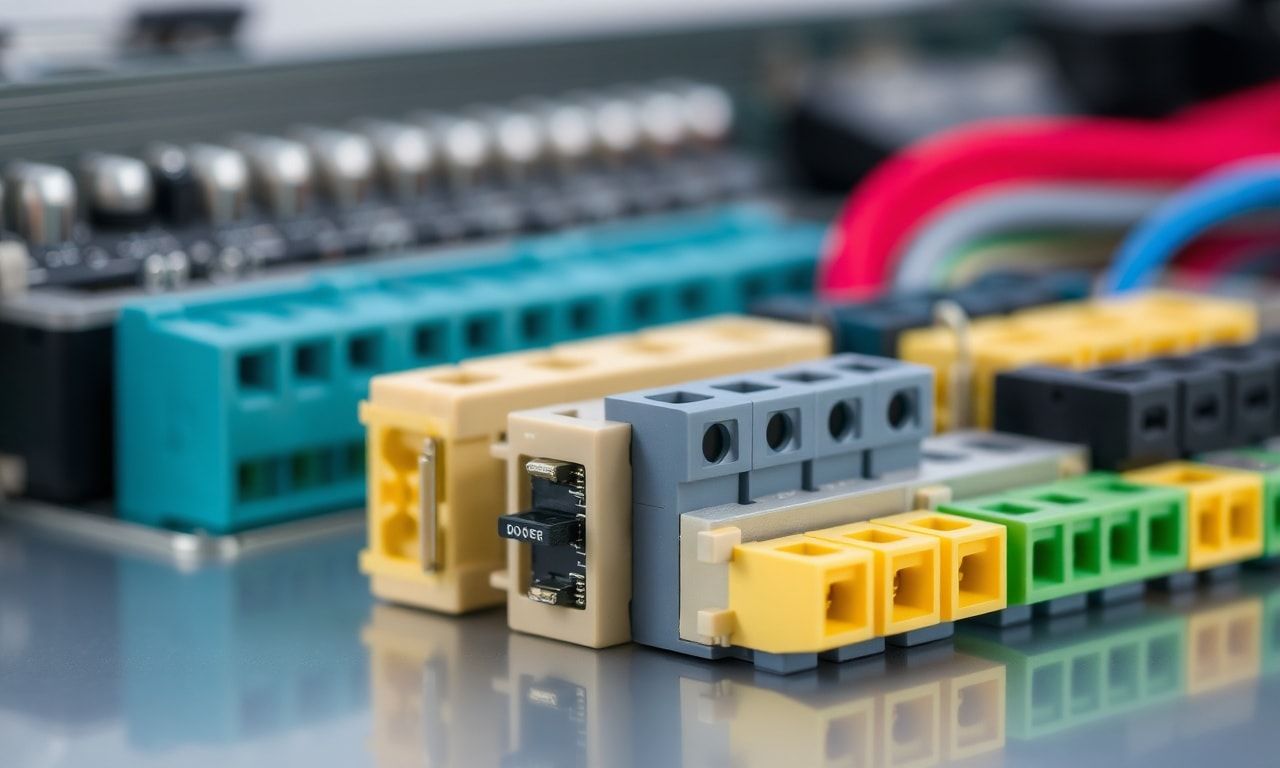
Terminal blocks, also known as terminal strips, are modular, insulated blocks that secure two or more wires together. They provide a safe and organized method for connecting wires to a circuit or device. Terminal blocks come in various types, including screw-type, spring-clamp, and insulation displacement, each offering unique advantages depending on the application. Their design ensures that connections are secure, insulated, and easily accessible for maintenance and modifications.
One of the critical aspects of terminal blocks is their role in ensuring electrical safety. Properly installed terminal blocks prevent short circuits and other electrical hazards, making them indispensable in both low-voltage and high-voltage applications. Additionally, they facilitate the organization of wiring systems, reducing the risk of errors and improving overall system reliability.
Innovations in Terminal Block Design
The evolution of terminal blocks has been driven by the need for higher performance, smaller footprints, and enhanced safety features. Modern terminal blocks are designed to handle higher currents and voltages while occupying minimal space. Innovations such as spring-clamp technology have revolutionized the industry by providing tool-free, push-in wire connections that are both quick and secure.
Another significant advancement is the integration of smart features into terminal blocks. These smart terminal blocks can monitor electrical parameters such as voltage, current, and temperature, providing real-time data that can be used for predictive maintenance and system optimization. This integration of IoT (Internet of Things) technology into terminal blocks is a testament to the ongoing innovation in the field of electronic connectors.
Applications of Terminal Blocks
Terminal blocks are used in a wide range of industries and applications. In industrial automation, they are essential for connecting sensors, actuators, and control systems. In the automotive industry, terminal blocks are used in wiring harnesses to connect various electronic components. In consumer electronics, they play a crucial role in ensuring reliable connections in devices such as smartphones, laptops, and home appliances.
One of the most critical applications of terminal blocks is in renewable energy systems. Solar panels and wind turbines require robust and reliable connections to ensure efficient power distribution. Terminal blocks provide the necessary connectivity solutions that can withstand harsh environmental conditions, making them ideal for renewable energy applications.
Maintenance and Repair of Terminal Blocks
Regular maintenance and timely repair of terminal blocks are essential to ensure their longevity and reliability. Inspecting terminal blocks for signs of wear, corrosion, or loose connections can prevent potential failures and system downtime. For those in need of kampalanları bakım ve onarım yeni modelleri, it is crucial to use high-quality components and follow best practices for installation and maintenance.
In addition to regular inspections, it is important to use the right tools and techniques for installing and maintaining terminal blocks. Proper crimping, tightening, and insulation are critical to ensuring secure and reliable connections. Training and certifications for technicians involved in terminal block maintenance can further enhance the quality of work and reduce the risk of errors.
The Future of Terminal Blocks
The future of terminal blocks is bright, with ongoing research and development aimed at improving their performance, reliability, and functionality. The integration of smart technologies, such as IoT and AI, is expected to revolutionize the way terminal blocks are used and maintained. These advancements will enable real-time monitoring, predictive maintenance, and automated troubleshooting, leading to more efficient and reliable electronic systems.
As the demand for smaller, more powerful electronic devices continues to grow, terminal blocks will need to evolve to meet these challenges. Innovations in materials, design, and manufacturing processes will play a crucial role in shaping the future of terminal blocks. By staying informed about the latest developments and best practices, professionals in the field can ensure that their systems are equipped with the most advanced and reliable connectivity solutions.