The Dawn of Artificial Intelligence
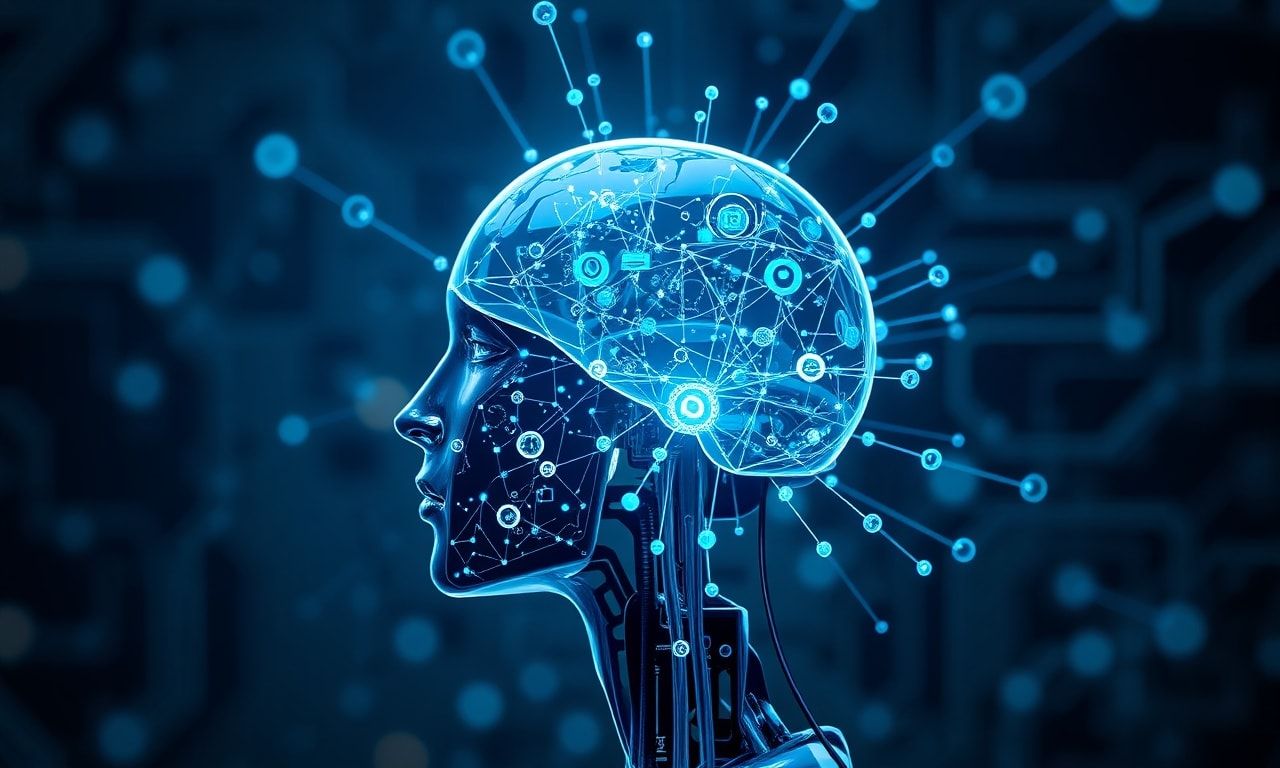
Artificial Intelligence (AI) has transitioned from the realm of science fiction to an integral part of our daily lives. The journey began with the conceptual foundations laid by pioneers like Alan Turing, whose seminal work on computability and the Turing Test set the stage for modern AI research. The term ‘Artificial Intelligence’ was coined in 1956 at the Dartmouth Conference, marking the official birth of the field. Early AI systems were rudimentary, focusing on problem-solving and symbolic reasoning. These systems, though limited by today’s standards, laid the groundwork for the sophisticated AI technologies we see today.
The Rise of Machine Learning
In the 1980s and 1990s, AI research shifted towards machine learning, a subset of AI that focuses on the development of algorithms that allow computers to learn from data. This shift was driven by advances in computational power and the availability of large datasets. Machine learning algorithms, such as neural networks, began to demonstrate impressive capabilities in tasks like image recognition, natural language processing, and predictive analytics. The advent of deep learning, a more advanced form of machine learning, further revolutionized the field by enabling computers to process and analyze vast amounts of data with unprecedented accuracy.
The Impact of Deep Learning
Deep learning has been instrumental in the development of AI applications that we use every day. From virtual assistants like Siri and Alexa to recommendation systems on platforms like Netflix and Amazon, deep learning algorithms are at the heart of these technologies. These systems leverage vast amounts of data to make predictions, understand human language, and even generate creative content. The impact of deep learning extends beyond consumer applications, with significant advancements in healthcare, finance, and cybersecurity. For instance, AI-powered diagnostic tools can analyze medical images with a level of accuracy that rivals human experts, while AI-driven fraud detection systems help financial institutions prevent billions of dollars in losses annually.
The Role of AI in Cybersecurity
One of the most critical areas where AI is making a significant impact is cybersecurity. As cyber threats become more sophisticated, traditional security measures are often insufficient to protect against advanced attacks. AI-driven cybersecurity solutions leverage machine learning algorithms to detect and respond to threats in real-time. These systems can analyze network traffic, identify anomalies, and predict potential security breaches before they occur. By continuously learning from new data, AI-powered cybersecurity tools can adapt to evolving threats, providing a robust defense against cybercriminals. Additionally, AI can automate routine security tasks, freeing up human analysts to focus on more complex and strategic issues.
AI and the Future of Work
As AI continues to evolve, its impact on the workforce is a topic of much debate. While some fear that AI will replace human jobs, others argue that it will create new opportunities and augment human capabilities. AI can automate repetitive tasks, allowing workers to focus on more creative and strategic activities. For example, in the field of software development, AI tools can assist in code generation, debugging, and testing, enabling developers to work more efficiently. Similarly, in healthcare, AI can help doctors analyze patient data, identify potential health issues, and develop personalized treatment plans. The key to harnessing the benefits of AI in the workplace lies in fostering a collaborative relationship between humans and machines, where each complements the strengths of the other.
The Ethical Implications of AI
As AI becomes more integrated into our lives, ethical considerations become increasingly important. Issues such as data privacy, algorithmic bias, and the ethical use of AI in decision-making are at the forefront of public and academic discourse. Ensuring that AI systems are fair, transparent, and accountable is crucial to building public trust. Initiatives like the European Union’s General Data Protection Regulation (GDPR) and the development of ethical guidelines for AI research are steps in the right direction. Additionally, fostering diversity and inclusivity in AI research can help mitigate biases in AI systems, ensuring that they benefit all members of society.
For those interested in exploring the creative potential of AI, platforms like hobi fikirleri yetişkinler başlangıç offer a wealth of resources and ideas. These platforms can inspire individuals to engage with AI in innovative and meaningful ways, from creating art and music to developing new applications and technologies.
Conclusion
The evolution of AI from a theoretical concept to a transformative technology is a testament to human ingenuity and innovation. As AI continues to advance, its potential to improve our lives and solve complex challenges is immense. However, realizing this potential requires a thoughtful and ethical approach to AI development and deployment. By embracing the opportunities and addressing the challenges, we can harness the power of AI to create a better, more sustainable future for all.
In the rapidly evolving tech landscape, staying secure and efficient is crucial; check out key points for daily tech safety to enhance your digital routine.
To enhance your productivity and efficiency in the tech-driven world, consider exploring our guide on managing time effectively with innovative strategies and tools.
To enhance your movie night experience with the latest tech, check out elevating home entertainment for expert tips and gadget recommendations.