The Digital Transformation of Healthcare
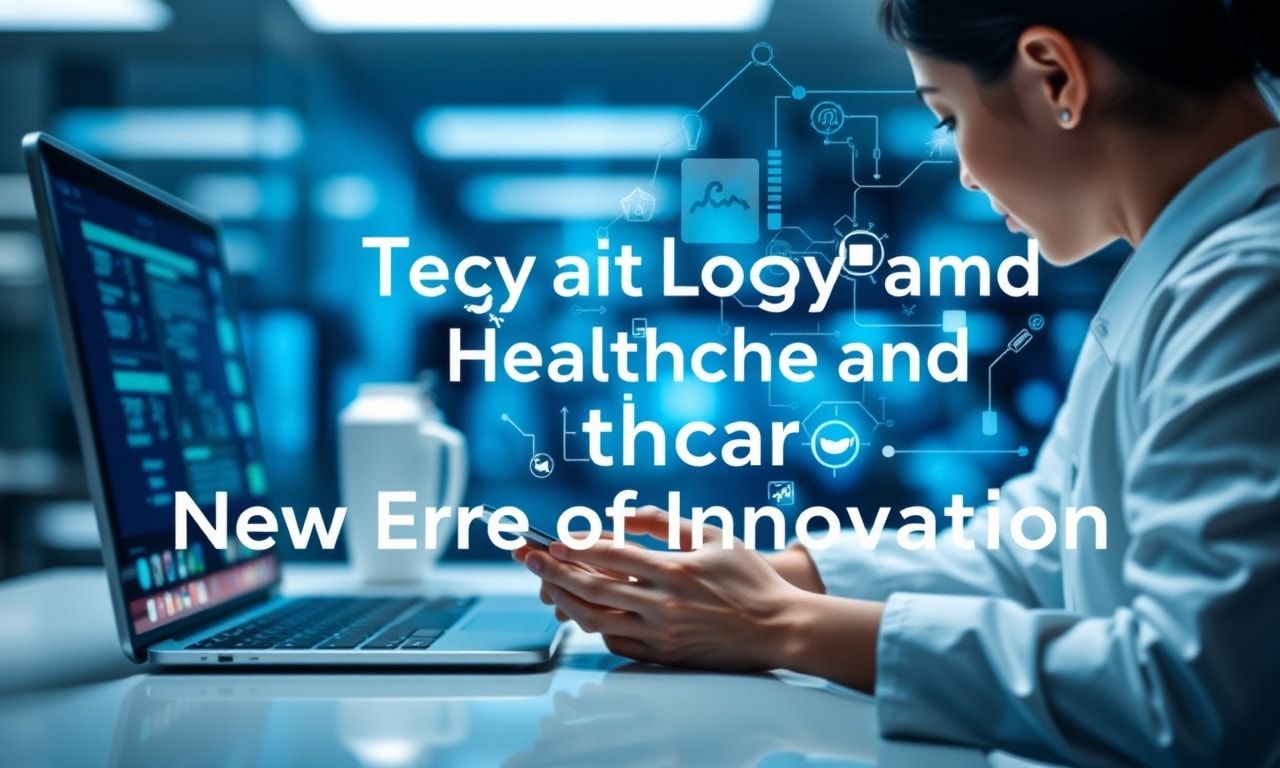
The healthcare industry is undergoing a profound digital transformation, driven by rapid advancements in technology. From artificial intelligence (AI) to the Internet of Things (IoT), these innovations are revolutionizing patient care, operational efficiency, and medical research. This article explores the latest trends and breakthroughs in healthcare technology, highlighting how they are shaping the future of medicine.
Artificial Intelligence in Diagnostics
AI is playing an increasingly pivotal role in medical diagnostics. Machine learning algorithms can analyze vast amounts of medical data to identify patterns and make predictions that human doctors might miss. For instance, AI-powered imaging tools can detect early signs of diseases like cancer with remarkable accuracy. These systems are not only enhancing diagnostic precision but also reducing the time required for analysis, allowing for faster treatment decisions.
Moreover, AI is being integrated into wearable health devices that monitor vital signs and alert users to potential health issues. These devices provide real-time data that can be shared with healthcare providers, enabling proactive and personalized care. The integration of AI in diagnostics is a game-changer, offering the potential to save countless lives through early intervention.
The Role of Big Data in Healthcare
Big data analytics is another critical component of the digital transformation in healthcare. By collecting and analyzing data from electronic health records (EHRs), medical imaging, and wearable devices, healthcare providers can gain valuable insights into patient health trends. This data-driven approach allows for more accurate diagnoses, personalized treatment plans, and improved patient outcomes.
For example, big data analytics can predict disease outbreaks by analyzing patterns in patient data. This predictive capability enables public health officials to take proactive measures to contain and mitigate the spread of infectious diseases. Additionally, big data is being used to optimize hospital operations, from staffing schedules to inventory management, ensuring that resources are used efficiently.
Telemedicine and Remote Patient Monitoring
The COVID-19 pandemic has accelerated the adoption of telemedicine, a technology that allows healthcare providers to consult with patients remotely. Telemedicine platforms enable virtual consultations, remote monitoring, and even the prescription of medications, making healthcare more accessible to patients in remote or underserved areas.
Remote patient monitoring (RPM) is another innovative technology that is transforming healthcare delivery. RPM systems use IoT devices to collect and transmit patient data to healthcare providers in real-time. This continuous monitoring allows for early detection of health issues and timely intervention, reducing the need for hospital visits and improving patient outcomes.
Telemedicine and RPM are not only convenient for patients but also cost-effective for healthcare systems. By reducing the need for in-person visits, these technologies help lower healthcare costs and alleviate the burden on hospitals and clinics. As technology continues to advance, telemedicine and RPM will become even more integral to the healthcare landscape.
Cybersecurity in Healthcare
With the increasing digitization of healthcare data, cybersecurity has become a critical concern. Healthcare organizations are prime targets for cyberattacks due to the sensitive nature of the data they handle. A breach can result in the loss of patient trust, legal repercussions, and significant financial losses.
To protect against cyber threats, healthcare providers must implement robust cybersecurity measures. This includes using encryption to secure patient data, implementing multi-factor authentication for access control, and regularly updating software to patch vulnerabilities. Additionally, healthcare organizations should conduct regular cybersecurity training for staff to ensure they are aware of the latest threats and best practices for data protection.
For more insights into the latest developments in healthcare technology, you can visit भारत में चिकित्सा प्रौद्योगिकी समाचार आज.
The Future of Healthcare Technology
The future of healthcare technology is bright, with numerous innovations on the horizon. From AI-driven diagnostics to telemedicine and big data analytics, these technologies are transforming the way healthcare is delivered. As technology continues to evolve, we can expect even more breakthroughs that will improve patient care, enhance operational efficiency, and advance medical research.
One area of particular interest is the development of robotic surgery. Robotic systems are being used to perform complex surgical procedures with greater precision and control than human hands. These systems can reduce the risk of complications and shorten recovery times, making them a valuable tool in modern medicine.
Another exciting development is the use of virtual reality (VR) and augmented reality (AR) in medical training and patient care. VR and AR technologies provide immersive, interactive experiences that can enhance medical education and improve patient outcomes. For example, VR simulations can be used to train surgeons, while AR can assist in surgical procedures by providing real-time guidance and information.
As we look to the future, it is clear that technology will continue to play a pivotal role in shaping the healthcare industry. By embracing these innovations, healthcare providers can deliver better care, improve patient outcomes, and create a healthier, more connected world.
As technology continues to reshape healthcare, explore the latest health tech advancements driving this transformation.
As tech innovators and developers, it’s crucial to stay informed about legal rights and regulations; check out navigating legal landscapes effectively for a thorough guide.
In the digital age, managing your finances can be streamlined with the right tech tools, and our guide on optimizing personal finances digitally offers essential insights into leveraging software and AI for better financial health.