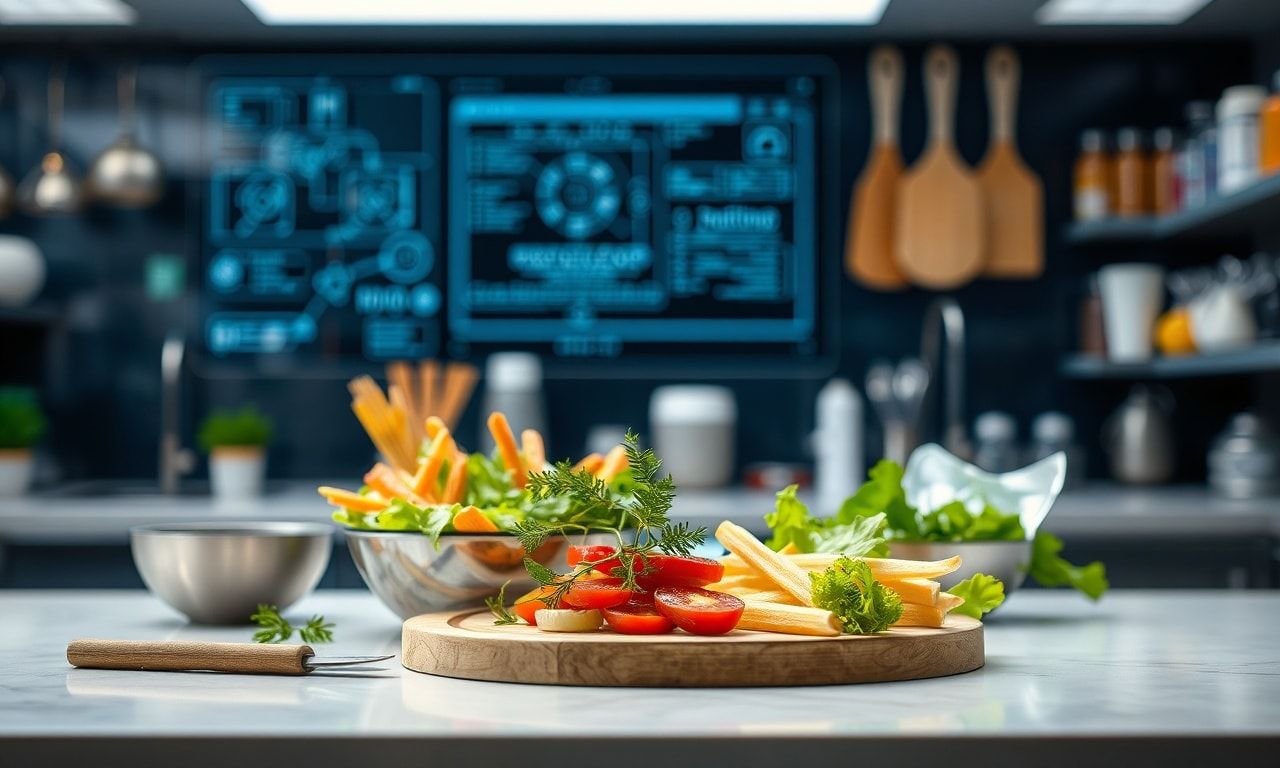
The Digital Transformation of the Kitchen
The kitchen, once a realm dominated by traditional tools and techniques, is undergoing a significant transformation driven by technological advancements. From smart appliances to AI-powered recipe assistants, technology is reshaping how we cook, eat, and even socialize. This article explores the intersection of technology and culinary innovation, highlighting how digital tools are enhancing our culinary experiences.
The Rise of Smart Appliances
Smart appliances are at the forefront of the kitchen revolution. These devices, equipped with internet connectivity and advanced sensors, offer unprecedented levels of control and convenience. Smart ovens, for instance, can be preheated remotely via smartphone apps, while intelligent refrigerators can track food inventory and suggest recipes based on available ingredients. These innovations not only streamline cooking processes but also contribute to energy efficiency and waste reduction.
One of the most notable examples of smart kitchen technology is the integration of voice assistants. Devices like Amazon Alexa and Google Home can guide users through recipes, set timers, and even adjust cooking settings on compatible appliances. This hands-free approach to cooking is particularly beneficial for those with mobility challenges or those who prefer a more interactive cooking experience.
The Role of AI in Culinary Innovation
Artificial Intelligence (AI) is playing a pivotal role in the evolution of the digital kitchen. AI-powered recipe assistants can analyze vast databases of recipes to suggest personalized meal plans based on dietary preferences, allergies, and nutritional goals. These assistants can also adapt recipes to suit different cooking skill levels, making them accessible to both novice and experienced cooks.
Moreover, AI is being used to enhance food safety and quality control. Machine learning algorithms can detect contaminants and predict food spoilage, ensuring that consumers receive fresh and safe products. This technology is particularly valuable in the context of food delivery services, where maintaining the integrity of perishable items is crucial.
Enhancing Social Experiences with Technology
Technology is not only transforming the way we cook but also how we share culinary experiences. Social media platforms and food blogs have become popular avenues for sharing recipes and cooking tips. These platforms foster a sense of community among food enthusiasts, allowing them to exchange ideas and learn from one another.
For those planning a feast or a special event, finding the right recipes can be a daunting task. Fortunately, resources like jelley recepten voor een feest offer a wealth of inspiration and guidance. These platforms provide a curated selection of recipes tailored to different occasions, ensuring that every dish is a hit with guests.
The Future of the Digital Kitchen
The future of the digital kitchen holds even more exciting possibilities. Advances in robotics and automation are paving the way for fully automated cooking systems. These systems can prepare meals with minimal human intervention, making cooking more accessible to those with busy lifestyles or limited culinary skills.
Additionally, the integration of augmented reality (AR) and virtual reality (VR) technologies is set to revolutionize the way we learn and experience cooking. AR can provide real-time guidance and feedback, while VR can offer immersive cooking experiences, allowing users to practice their skills in a virtual environment before attempting them in real life.
Cybersecurity in the Digital Kitchen
As the kitchen becomes increasingly connected, the importance of cybersecurity cannot be overstated. Smart appliances and AI-powered devices collect and store sensitive data, making them potential targets for cyber threats. Ensuring the security of these devices is crucial to protecting personal information and maintaining the integrity of the cooking process.
Manufacturers and developers must prioritize cybersecurity in the design and implementation of smart kitchen technologies. Regular software updates, robust encryption protocols, and secure authentication methods are essential for safeguarding against potential breaches. Consumers should also be educated on best practices for securing their smart devices, such as using strong passwords and keeping their software up to date.
Conclusion
The convergence of technology and culinary innovation is transforming the kitchen into a hub of creativity, convenience, and connectivity. From smart appliances to AI-powered recipe assistants, these advancements are enhancing our culinary experiences and fostering a sense of community among food enthusiasts. As we look to the future, the continued integration of emerging technologies promises to further revolutionize the way we cook and share our love for food.