The Evolution of Cybersecurity
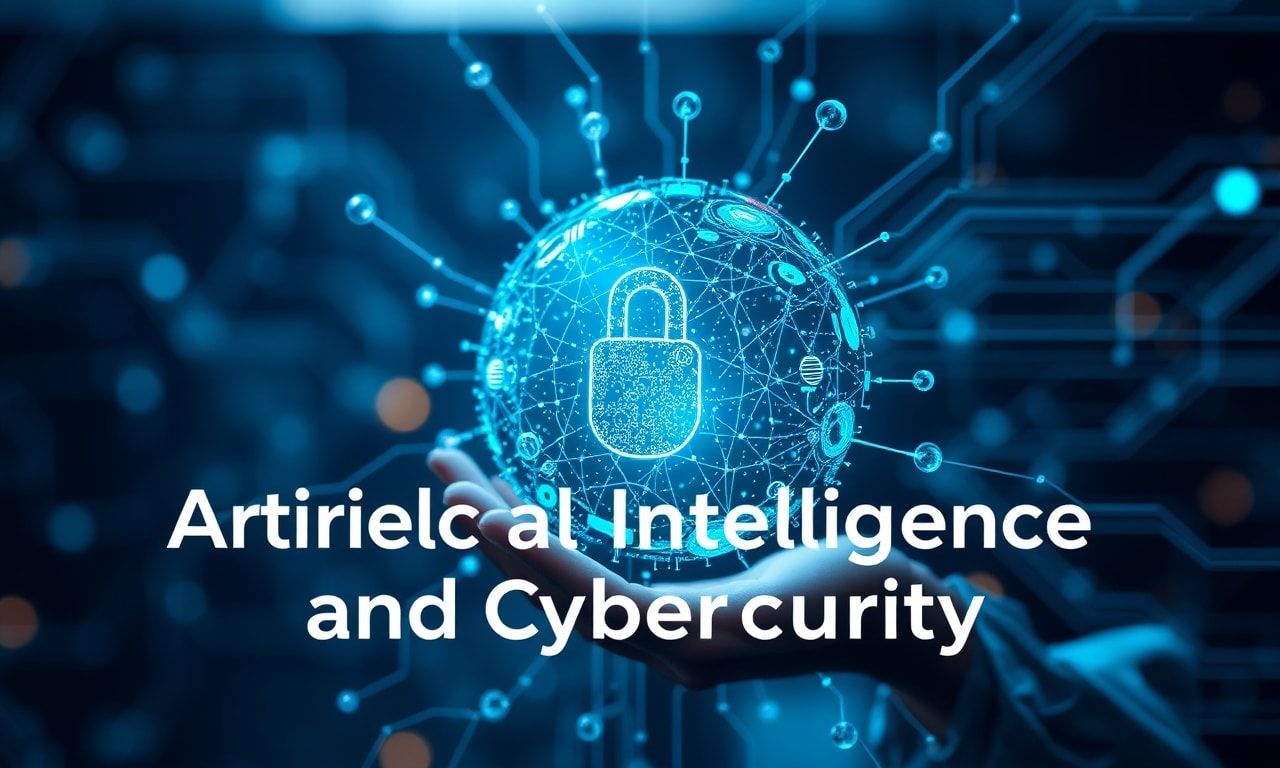
The landscape of cybersecurity is constantly evolving, driven by the rapid advancements in technology. As we move deeper into the digital age, the need for robust security measures becomes increasingly critical. Cybersecurity is no longer just about protecting data; it’s about safeguarding entire ecosystems that rely on digital infrastructure. The integration of artificial intelligence (AI) into cybersecurity practices has revolutionized the way we approach digital defense, making it more proactive and adaptive.
The Role of AI in Modern Cybersecurity
AI has emerged as a game-changer in the field of cybersecurity. By leveraging machine learning algorithms, AI can analyze vast amounts of data to identify patterns and anomalies that may indicate a cyber threat. This capability allows for real-time threat detection and response, significantly reducing the risk of data breaches. AI-driven cybersecurity systems can also learn from past incidents to improve their predictive accuracy, making them increasingly effective over time.
One of the most significant advantages of AI in cybersecurity is its ability to automate routine tasks. This automation frees up cybersecurity professionals to focus on more complex issues, enhancing overall efficiency. AI can also simulate cyber attacks to test the resilience of security systems, providing valuable insights into potential vulnerabilities. This proactive approach helps organizations stay ahead of cybercriminals, who are constantly developing new tactics to bypass traditional security measures.
Enhancing Threat Detection
AI’s ability to process and analyze data at unprecedented speeds makes it an invaluable tool for threat detection. Traditional cybersecurity methods often rely on signature-based detection, which can be ineffective against new and unknown threats. AI, on the other hand, uses behavioral analysis to identify suspicious activities, regardless of whether they match known threat signatures. This approach allows for the detection of zero-day exploits and other advanced persistent threats (APTs) that might otherwise go unnoticed.
Moreover, AI can integrate with other technologies, such as the Internet of Things (IoT), to create a comprehensive security network. By monitoring IoT devices for unusual behavior, AI can prevent potential breaches before they occur. This holistic approach to cybersecurity ensures that all aspects of a digital ecosystem are protected, from endpoints to cloud infrastructure.
Securing Crypto Assets with AI
In the realm of cryptocurrency, AI plays a crucial role in securing digital assets. Cryptocurrencies are particularly vulnerable to cyber attacks due to their decentralized nature and the high value of the assets involved. AI can help mitigate these risks by monitoring transactions for signs of fraud or unauthorized access. For a comprehensive guide on how to secure your crypto assets, you can refer to the how to secure your crypto assets guide provided by CryptoNewsMag.
AI-driven security solutions can also detect phishing attempts and other social engineering attacks that target cryptocurrency users. By analyzing communication patterns and identifying suspicious links or attachments, AI can prevent users from falling victim to these scams. This added layer of protection is essential for maintaining the integrity of the cryptocurrency market.
The Future of AI in Cybersecurity
The future of AI in cybersecurity looks promising, with ongoing advancements poised to further enhance digital security. As AI algorithms become more sophisticated, their ability to predict and prevent cyber threats will continue to improve. The integration of AI with other emerging technologies, such as quantum computing, could revolutionize the way we approach cybersecurity, offering unprecedented levels of protection.
However, the increasing reliance on AI also raises ethical and regulatory concerns. As AI systems become more autonomous, questions arise about accountability and transparency. It is crucial for organizations to implement AI ethically, ensuring that these powerful tools are used responsibly and in compliance with relevant regulations.
Addressing Ethical and Regulatory Challenges
To address these challenges, collaboration between technology developers, cybersecurity experts, and policymakers is essential. By establishing clear guidelines and best practices, the industry can ensure that AI is used to enhance cybersecurity without compromising ethical standards. This collaborative approach will help build trust in AI-driven security solutions, paving the way for their widespread adoption.
Additionally, continuous education and training are vital for cybersecurity professionals to keep up with the latest advancements in AI. By staying informed about emerging technologies and their implications, professionals can better adapt to the evolving threat landscape. This ongoing learning process is crucial for maintaining the effectiveness of AI-driven cybersecurity measures.
Conclusion
The intersection of AI and cybersecurity represents a significant leap forward in digital defense. By harnessing the power of AI, organizations can enhance their threat detection capabilities, automate routine tasks, and stay ahead of cybercriminals. As AI continues to evolve, its role in cybersecurity will become even more critical, shaping the future of digital security. Embracing AI ethically and responsibly will be key to unlocking its full potential and ensuring a safer digital future for all.
As renewable energy technologies continue to evolve, understanding their intersection with cutting-edge innovations is crucial; delve into solar power’s role in tech to see how this field is shaping our future.
Discover how tech is driving sustainability with innovations shaping our future, from AI to cybersecurity.
Discover how tech innovations are transforming education in our latest feature, Turkey’s education advancements, highlighting AI and software integrations in learning.